
What is Edge Security?
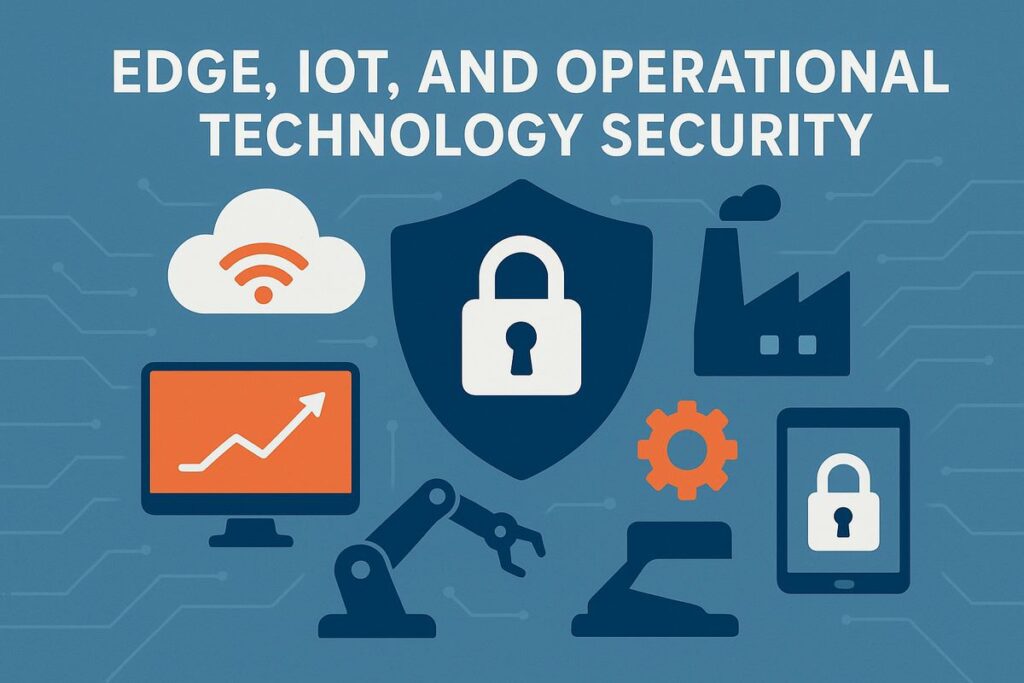
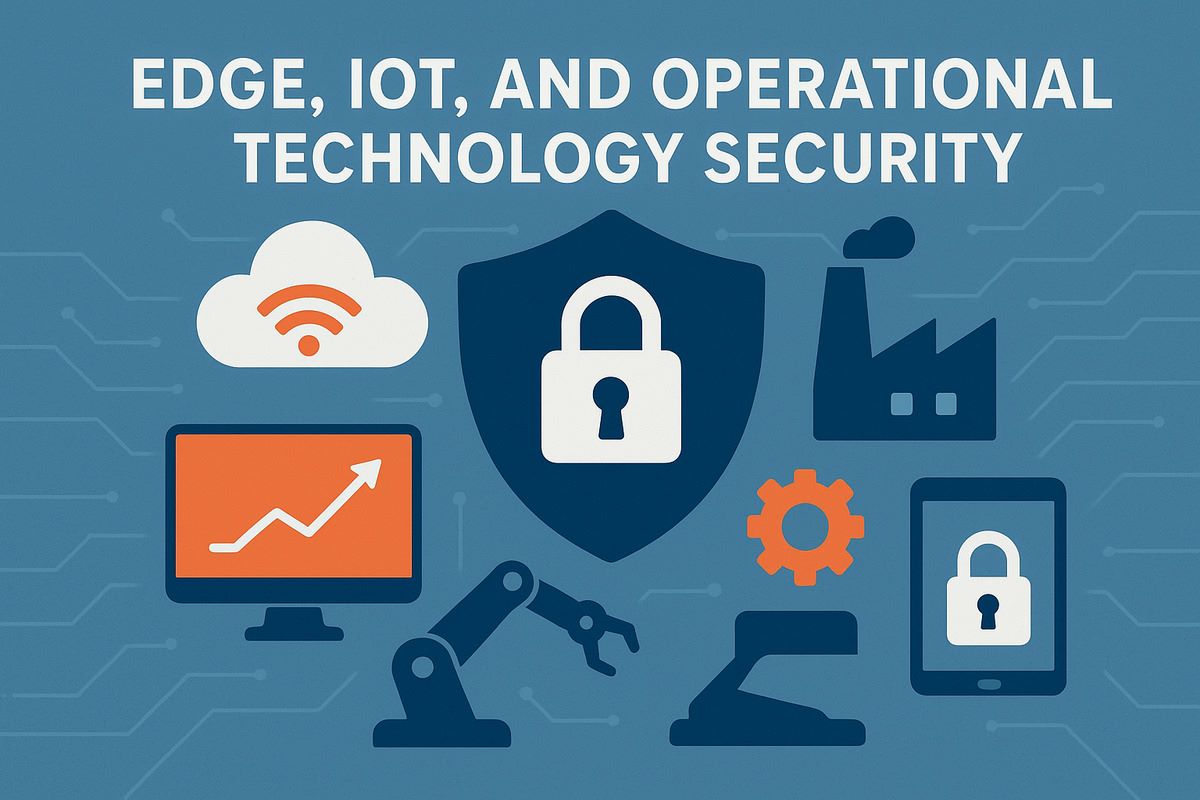
Edge security is the protection of data and services at the point closest to the user or device. The term “edge” refers to network endpoints that are far from data centers or main servers but close to the user. That is, data and operations are secured locally before being sent to the cloud or central servers. In short, edge security is the processing of data close to where it is generated or collected. It protects against threats that may occur at these endpoints.
Protection methods include:
- Securing edge devices against unauthorized access.
- Implementing data encryption and authentication.
- Monitoring network traffic and device behavior.
Examples include smart camera systems and sensors.
Why is edge security important?
- Security controls are performed at the point closest to the data, allowing quick reaction to attacks.
- Sensitive information is protected at the edge before reaching the central system, reducing the risk of data leakage.
- IoT devices and mobile applications can ensure their own security without relying on a central server.
- Data does not always need to travel to central servers, which reduces network traffic.
Examples of edge security:
- Edge encryption: Data is encrypted before it leaves the device.
- Firewalls and IDS/IPS: Intrusion detection and prevention systems can run on edge devices.
- IoT security: Malware protection and attack prevention measures are applied to sensors and smart devices.
- Zero trust implementations: Continuous verification is performed without trusting the device or the user by default.
Importance from a cybersecurity perspective:
Processing data at the point where it is generated or collected reduces the risk of attacks during data transmission. In short, edge devices can serve as entry points for cyberattacks, so they must be carefully protected. Unauthorized access can lead to device compromise, data theft, and manipulation, and malicious software may infect the device. It is essential to take precautions in these areas. Various protection methods should be used:
- Implement authentication and regularly monitor access controls.
- Use data encryption and secure communication protocols.
- Continuously monitor network traffic and device behavior.
What is IoT Security?
IoT security is the process of ensuring the security of Internet of Things devices and networks. Examples of these include a wide range of IoT devices such as smart home appliances and industrial sensors. These devices send and receive data over the Internet. IoT security protects these devices from cyberattacks, data theft, and unauthorized access. In short, IoT devices are exposed to cyber threats because they are connected to the internet. IoT security aims to protect these devices and the data they collect.
Protection methods include:
- Device authentication and authorization
- Applying software updates and patches
- Ensuring data privacy and integrity
Why is IoT important?
- Attacks on industrial or home automation systems can lead to serious physical consequences.
- Every new IoT device can create a new security vulnerability within the network.
- IoT devices often collect personal or sensitive data, such as health information or home security data.
IoT security measures:
- Encryption: Ensuring that data transferred between devices is encrypted.
- Device security: Making sure devices are secure during the manufacturing stage and supported with firmware updates.
- Access control: Preventing unauthorized access to devices and using strong authentication systems.
- Updates and patches: Keeping device software continuously up to date.
- Network security: Ensuring IoT devices communicate over secure networks and using firewalls and IDS/IPS systems.
Importance from a cybersecurity perspective:
IoT devices are connected to the internet, making them exposed targets for cyberattacks. A breach in device security can put both personal data and connected systems at risk.
Cyber threats include:
- Botnet attacks
- Data leaks and privacy breaches
- Exploitation of firmware or software vulnerabilities
It is necessary to take precautions against these threats. Implementing device authentication and authorization, regularly applying software updates and patches, and ensuring data privacy and integrity can help prevent these threats to a certain extent.
What is OT Security?
OT security is the process of protecting operational technology systems used in critical areas from cyber threats. For example, it is used in energy plants, electrical, water, and transportation infrastructures. OT involves the systems that manage and control physical processes. In short, OT refers to the hardware and software systems used in industrial environments. OT systems must remain continuously operational because updates or interruptions must be kept to a minimum.
Systems used in OT are the “brains” of automation and directly control physical machines.
These include:
- SCADA systems
- Programmable Logic Controllers (PLC)
- Distributed Control Systems (DCS)
- Industrial robots
- Energy distribution control systems
- Manufacturing/production machines
Why is OT security important?
- It can lead to physical consequences: An attack can halt a production line, cause power outages, or damage machines.
- Critical infrastructures can be affected: Systems such as water, energy, and transportation may be disrupted.
- Many OT devices are very old: Since they lack modern security features, they can create significant risks.
- Increased connectivity increases risk: OT systems are now being connected to IT networks, making them more exposed to cyber threats.
Importance from a cybersecurity perspective:
OT systems are critical components of industrial infrastructure. If attacked, they can cause production interruptions or physical damage. Traditional IT security methods cannot always be applied because these systems must operate continuously. It is essential to be cautious against potential cyber threats in this area. Industrial control systems (ICS) can be hacked, ransomware and sabotage attacks may occur, and the integrity of physical and digital systems can be compromised.
For this reason, ICS and SCADA systems should be securely monitored, network segmentation and firewalls should be implemented, and physical security should be integrated with cybersecurity.
In short: edge security ensures the protection of data and devices at endpoints, IoT security protects connected devices and data privacy, and OT security maintains the continuity and integrity of industrial systems.
Case Study: JPMorgan Chase – Intelligence‑Driven Cyber Defense
JPMorgan Chase, one of the largest financial institutions in the world, employs a proactive, intelligence‑driven cyber defense strategy supported by one of the industry’s biggest technology and security budgets. The firm relies on predictive analytics and advanced threat intelligence to anticipate and neutralize attacks before they can disrupt operations or compromise customer data. A global team of thousands of security professionals continuously hunts for threats, including those posed by nation‑state actors, ensuring that JPMorgan Chase maintains resilience against sophisticated adversaries and protects its critical financial infrastructure.
Content by GuestPosts.biz